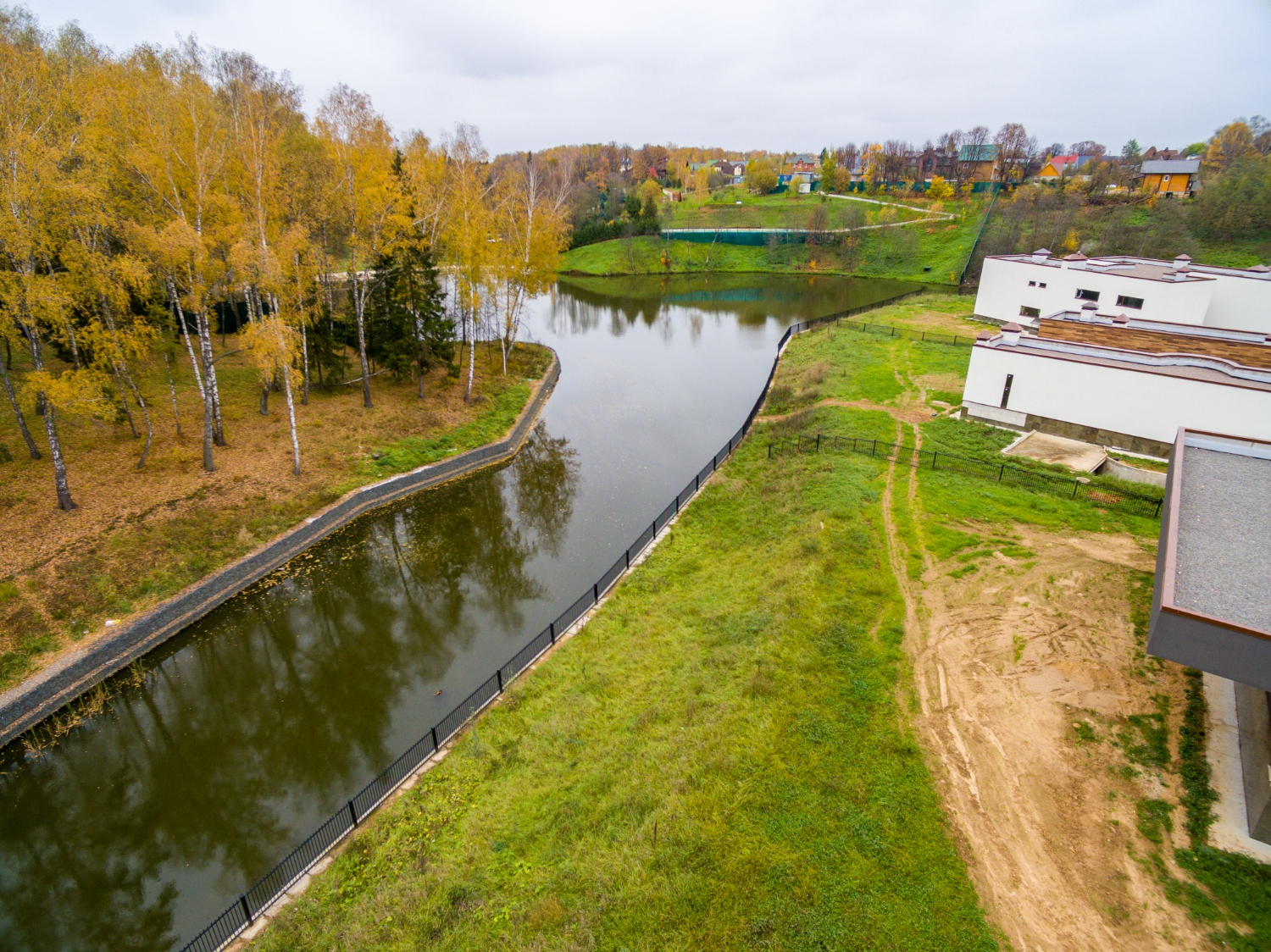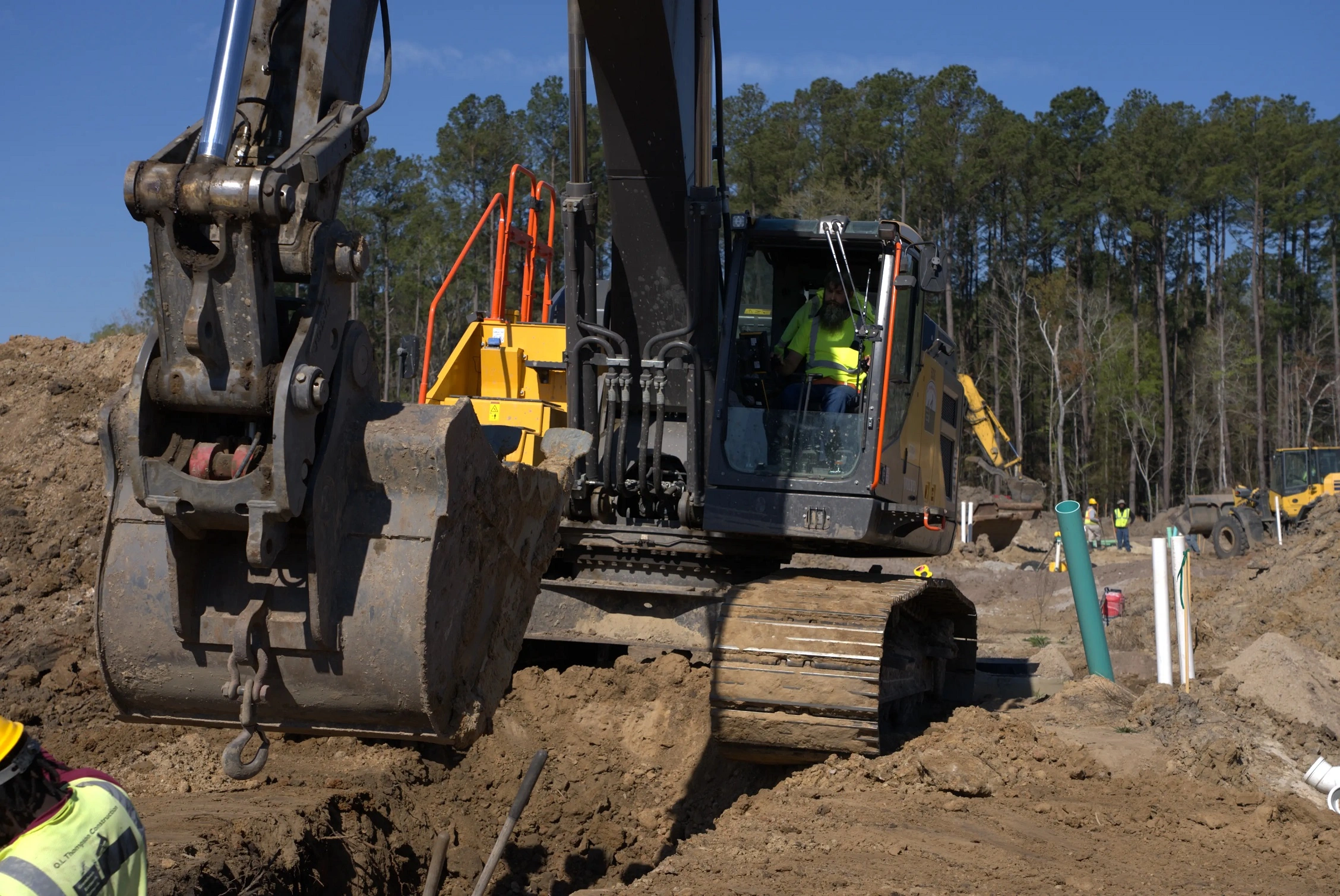
Charleston, South Carolina, is known for its charm, waterfront views, and historic roots, but below all that beauty lies a unique and often unpredictable ground. From residential development to infrastructure projects, building in Charleston’s coastal terrain presents serious soil stabilization challenges that must be understood and strategically addressed.
Whether you’re a contractor, land developer, or property owner, grasping the complexities of coastal soil is key to building safely, sustainably, and successfully in the Lowcountry.
Understanding the Coastal Soil Profile of Charleston
Geology and Soil Composition
Charleston’s soil is largely composed of sandy loam, clay, silt, and peat, often with layers of organic material or marine sediments beneath the surface. These soft and loosely compacted soils tend to shift, settle, or hold water making them problematic for construction foundations.
In some areas, especially near the marsh or waterfronts, muck or organic-rich soil can reach several feet in depth, offering little support for structural loads.
Hydrological Influence
Charleston’s proximity to the Atlantic Ocean means a consistently high water table and frequent exposure to tidal forces, storm surges, and seasonal flooding. These hydrological conditions complicate soil remediation and stabilization efforts, as water-saturated soils have reduced shear strength and increased potential for subsidence.
Technical Challenges in Soil Stabilization
Charleston’s natural beauty comes with a number of technical headaches for soil stabilization companies.
High Water Table & Saturated Soils
A persistent challenge across coastal Charleston, high groundwater levels make compaction difficult and weaken load-bearing capacity. Any effective soil stabilization effort must include dewatering strategies or ground improvement methods that function even in wet environments.
Organic and Expansive Soils
Peat and clay-heavy soils in the region are prone to heaving, swelling, and shrinking, which can cause foundation cracks and uneven settling. These soil types also decompose or degrade over time, further complicating long-term stability.
Salinity and Corrosion Concerns
Salty groundwater and air can corrode traditional construction materials, particularly steel reinforcements and some chemical stabilizers. Soil remediation in these areas requires corrosion-resistant materials and specialized knowledge of coastal chemical interactions.
Settlement and Subsidence Risks
Charleston’s subsurface layers often contain compressible soils that settle over time, especially under heavy loads. Without proper pre-treatment, buildings can experience uneven settling or foundation failure, sometimes within just a few years.
Environmental Constraints
With many coastal wetlands, marshes, and conservation zones, soil stabilization projects must navigate stringent environmental permitting requirements, adding complexity to project planning and execution.
Techniques Commonly Used and Their Limitations
- Mechanical Compaction:Often insufficient in saturated or organic soils.
- Chemical Stabilization (e.g., lime or cement):Can be less effective in saline or acidic soil conditions, and may not be environmentally ideal.
- Drainage and Dewatering:Temporary solutions, especially if water intrusion is ongoing.
Traditional methods frequently require modification or combination to work effectively in Charleston’s coastal context.
Innovative and Adaptive Solutions
Use of Geosynthetics in Coastal Areas
Geotextiles, geogrids, and geomembranes are now widely used to reinforce soils, provide separation between weak subgrades, and improve drainage. These materials are corrosion-resistant and adapt well to Charleston’s moist, saline environment.
Bio-stabilization and Green Engineering
In low-impact or environmentally sensitive zones, bioengineering techniques like vegetative stabilization, root reinforcement, and the use of microbial soil treatments offer eco-friendly alternatives to chemical methods.
Ground Improvement Monitoring Technologies
Real-time soil monitoring systems now allow engineers to track settlement, pore water pressure, and moisture levels throughout the project lifecycle ensuring stabilization techniques are working as intended.
Hybrid Approaches
Combining mechanical, chemical, and environmental strategies is often the most effective way to manage Charleston’s complex soil matrix. For example, a geosynthetic-reinforced platform with wick drains and lightweight fill may be used on waterfront developments.
Case Studies from Charleston
Infrastructure Project: Port Access Road Bridge
To support the Port Access Road bridge, engineers faced compressible soils and high water tables. The solution included soil replacement, preloading with surcharges, and the installation of vertical wick drains to expedite consolidation.
Coastal Property Development: Folly Beach Community
At a private waterfront development in Folly Beach, excessive organics and salinity made traditional stabilization methods ineffective. Instead, the project used bio-stabilization, geosynthetic membranes, and low-impact foundations to protect the surrounding marsh.
Regulatory and Environmental Considerations
Charleston’s permitting process includes oversight from:
- Charleston County Building Services
- South Carolina Department of Health and Environmental Control (SCDHEC)
Understanding local, state, and federal guidelines is essential before initiating any soil stabilization or soil remediation effort in coastal zones.
Final Thoughts
Soil stabilization in Charleston’s coastal terrain isn’t just a construction task, it’s an engineering challenge that demands innovation, precision, and environmental sensitivity. With rising sea levels, intensifying storms, and growing development demands, working with experienced soil stabilization companies is more crucial than ever.
At OL Thompson Construction, we specialize in adaptive ground improvement solutions designed specifically for Charleston’s terrain. From commercial infrastructure to coastal home development, our team brings decades of experience in soil remediation, structural support, and environmentally responsible building practices.